How a New Roof Adds Home Value in Succasunna, NJ
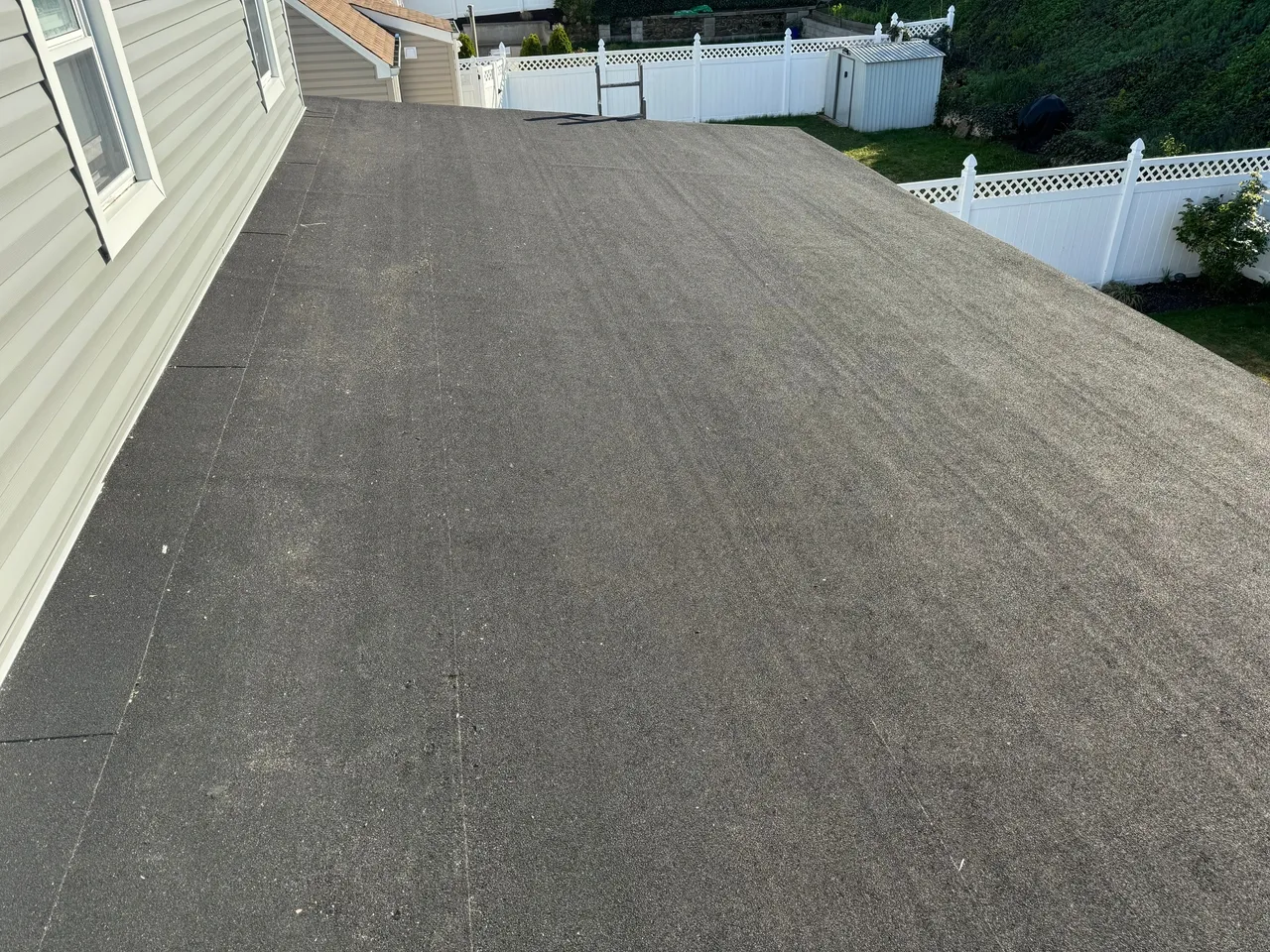
A roof does more than keep rain out. It shapes how buyers judge a house before they ever step through the front door, affects what an appraiser sees on paper, and influences whether an insurer views the property as a routine risk or a problem waiting to happen. In a place like Succasunna, where homes face humid summers, freeze-thaw winters, wind, heavy rain, and the occasional snow load, the condition of the roof is not a cosmetic detail. It is a major value driver.
Homeowners often ask a version of the same question: if I spend real money on a new roof, will I actually get it back? The honest answer is that a roof rarely works like a kitchen remodel featured in a design magazine. It does not always produce a dollar-for-dollar jump in appraised value. What it often does, though, is protect value, preserve negotiating power, shorten time on market, and make a house easier to insure and finance. In many cases, that combination is worth as much as, or more than, a flashy interior update.
In Succasunna, NJ, where many neighborhoods include established homes with mature trees, variable roof pitches, and systems that may be nearing the end of their service life, roof replacement tends to have a practical, measurable effect on marketability. Buyers notice it. Inspectors call it out when it is tired. Lenders and insurance carriers sometimes care more than sellers expect.
Why buyers in Succasunna pay attention to the roof
When buyers tour homes in Morris County, they are not just comparing paint colors and countertops. They are trying to estimate future ownership costs. If they see curling shingles, uneven roof lines, dark streaking, exposed flashing issues, or signs of prior patchwork, they immediately start doing math in their heads.
That mental math is rarely generous.
A buyer who suspects the roof may need replacement soon does not usually deduct only the cost of a new roof from their offer. They also pad for uncertainty. They worry about hidden sheathing damage, active leaks, mold in the attic, damaged insulation, or rising material prices. A roof that looks near the end of its life can easily lead a buyer to reduce an offer by more than the actual replacement cost simply because the unknown feels expensive.
The opposite is also true. A recently replaced roof creates a sense of control. The buyer sees a major capital expense already handled. That lowers perceived risk and makes the home feel better maintained overall. Even if the rest of the house is not brand new, a solid roof sends a message that the owner stayed ahead of essential maintenance.
That message matters in Succasunna because many buyers are moving into the area for schools, commute options, neighborhood stability, and a suburban pace that feels established. They may be willing to personalize kitchens and bathrooms over time, but most do not want to inherit immediate structural or envelope issues. A new roof answers that concern before it becomes a negotiation point.
Appraised value versus market value
Homeowners sometimes hear conflicting opinions about whether a roof "adds value." The confusion usually comes from mixing up appraised value and market value.
An appraiser may not increase a home's value by the full amount spent on a roof replacement. Real estate does not work like a reimbursement ledger. If you spend $18,000 to $30,000 on a roof, depending on size, pitch, ventilation corrections, decking repairs, and material choice, the appraisal bump may be more modest. Appraisers typically evaluate the overall condition, remaining effective life, and how the home compares with nearby sales. A new roof improves condition and lowers functional depreciation, but it is one component among many.
Market value is broader. It reflects what a ready, willing buyer will pay under current local conditions. This is where a new roof often punches above its weight. A home with a recent roof replacement can attract stronger offers because buyers believe the house is less likely to surprise them. That confidence can reduce price reductions, repair credits, and drawn-out negotiations after inspection.
I have seen sellers lose more money during inspection than they would have spent replacing the roof before listing. Once a buyer's inspector writes that shingles are brittle, flashing is compromised, or the roof has reached the end of its useful life, the seller loses control of the conversation. What might have been a straightforward maintenance project becomes a bargaining chip. Buyers ask for credits. Some walk away. Others stay, but only if the price moves enough to make them feel protected.
A good roof replacement done before listing often avoids that spiral.
Curb appeal is not superficial
People sometimes dismiss curb appeal as a soft benefit, but it carries real financial weight. Most buyers form a first impression within seconds of pulling up to a house. The roof takes up a large portion of what they see. If it looks tired, streaked, mismatched, or visibly patched, the house feels older and more burdened. If it looks crisp and proportionate, the home feels cared for.
That perception affects emotion, and emotion affects price.
In neighborhoods around Succasunna, where many homes sit on attractive lots and buyers are comparing one established property to another, exterior coherence matters. A fresh roof can sharpen the entire appearance of the home. New shingles with clean lines and a color that works with siding and trim can make the house look newer without changing the architecture. Black, charcoal, weathered wood, and similar neutral tones remain common because they fit a wide range of home styles without dating the property too quickly.
The improvement is often especially visible on colonials, split-levels, ranches, and capes built decades ago. A worn roof tends to age the whole house. A new one can quietly lift it.
That said, not every premium roofing material adds equal resale value. Homeowners sometimes overspend on specialty products that do not match neighborhood expectations. A roof should feel appropriate to the house and the local market. In most Succasunna neighborhoods, solid architectural shingles installed correctly will do more for value than an overly expensive system that buyers may not fully appreciate or pay extra for.
Weather in North Jersey changes the equation
Local climate plays a bigger role in roof value than many national articles acknowledge. Succasunna roofs deal with a pretty demanding cycle. Snow and ice can stress edges and flashing. Spring storms test drainage. Summer heat bakes shingles and attic spaces. Autumn leaves clog gutters and trap moisture if maintenance slips. Over years, that cycle exposes weaknesses.
A buyer who understands the region knows this. They are not just asking whether the roof looks fine on a sunny afternoon. They are asking whether it will perform through the next winter.
That is why details matter. Proper underlayment, clean flashing transitions, attic ventilation, ridge vent design, pipe boot condition, ice and water protection at vulnerable areas, and the state of decking beneath the shingles all contribute to value. A roof replacement is not only about the visible top layer. When done well, it improves the entire roofing system.
This is also where a local contractor's judgment matters. Roof Replacement Succasunna, NJ is not the same conversation as roof replacement in a dry or mild climate. Homes here need roofing choices that account for moisture, seasonal temperature swings, and ventilation performance. A system that looks fine but traps heat or mishandles water can shorten shingle life and create attic issues, which buyers and inspectors eventually detect.
The insurance angle homeowners often overlook
Insurance has become a bigger factor in resale than it was even a few years ago. Carriers increasingly review roof age, material condition, and claims history more carefully. An older roof may not make a home uninsurable, but it can affect premiums, deductible terms, or underwriting questions. In some cases, buyers struggle to secure favorable coverage if the roof is near the end of its life.
That becomes a transaction issue.
If a buyer gets deep into contract and then learns their insurer has concerns about the roof, the deal can slow down or unravel. Sellers are often surprised by this because the roof may not be actively leaking. But from an insurer's perspective, age alone can signal increased risk.
A new roof can reduce those obstacles. It gives buyers cleaner documentation and stronger footing when obtaining quotes. It can also help the seller avoid last-minute repair demands tied to insurance requirements. This does not mean every new roof guarantees lower premiums, because carriers vary and other property factors matter, but it does improve the home's risk profile in a way the market increasingly values.
Energy efficiency and attic health
A roof replacement can also affect energy performance, though this depends heavily on how the project is handled. Shingles alone do not transform utility bills overnight. The bigger gains often come from correcting ventilation imbalances, replacing damaged decking, sealing vulnerable areas, and coordinating the roof work with attic insulation and airflow improvements.
In older homes, I often see the same pattern. The roof gets blamed for interior comfort issues that are really part roofing, part attic, part ventilation. Upstairs rooms run hot in summer. Ice dam concerns appear in winter. Moisture collects in the attic. The roof surface may be failing faster because trapped heat is baking it from below.
When a replacement addresses those root causes, the home becomes more stable and efficient. Buyers may not calculate the value of better ventilation down to the dollar, but they absolutely respond to a home that feels dry, solid, and well cared for. If the seller can say the roof was recently replaced and the attic ventilation was brought into balance at the same time, that is far more convincing than simply saying, "We put on new shingles."
The value of documentation
One of the simplest ways to maximize return on a new roof is to keep clean records. Buyers, inspectors, appraisers, and real estate agents all respond better when the work is documented. A vague statement like "the roof is newer" has limited value. A clear record showing who performed the work, when it was completed, what materials were used, and whether permits or warranties apply gives the improvement credibility.
Documentation helps because buyers have seen too many quick cosmetic fixes. They know the difference between true replacement and a surface-level patch job. If a seller can provide the installation date, product information, warranty terms, and photos of the process, especially if decking replacement or flashing corrections were involved, the roof stops being a question mark.
That matters during inspection negotiations. A documented, professionally completed roof replacement is harder to discount than a verbal assurance.
When a new roof adds the most value
Timing has a big impact on return. A roof replacement tends to add the most value under a few specific conditions.
First, it matters more when the existing roof is visibly aging or functionally near failure. Replacing a roof that still has many good years left may improve appearance, but the market may not reward it proportionally. Replacing one that buyers would otherwise flag as a problem can materially improve sale outcomes.
Second, it tends to matter more in competitive price bands where buyers have options. If several similar homes are for sale in Succasunna and one has a roof at the end of its life while another has a recently replaced system, the newer roof often becomes a deciding factor even if everything else is close.
Third, it carries extra weight when interest rates or affordability pressures are high. When buyers are already stretching on monthly payments, they become less tolerant of immediate repair expenses. A move-in ready home with a new roof feels financially safer.
Fourth, roof replacement helps most when it is paired with basic exterior coherence. A new roof on a home with peeling trim, failing gutters, and neglected landscaping will still help, but it will not deliver the same impression as a roof that is part of an overall well-maintained exterior.
Cases where replacement may not be the best play
A new roof is not always the smartest pre-sale investment. Sometimes targeted repairs are enough, especially if the existing roof has meaningful life left and the issues are isolated. Replacing an entire system too early can tie up cash that would be better used elsewhere, such as painting, flooring, drainage correction, or addressing outdated electrical concerns.
There are also cases where the surrounding market sets a ceiling. If the home is in a price range where buyers are largely focused on land, school district, or renovation potential, a premium roof may protect saleability without meaningfully increasing sale price. In that situation, the owner should think less in terms of extracting full resale dollars and more in terms of reducing objections.
The best decision usually comes from a sober evaluation of age, condition, neighborhood standards, and sale timeline. If the roof is fifteen to twenty-five years old, depending on material and installation quality, it deserves close scrutiny. Some roofs age gracefully. Others deteriorate early because of ventilation problems, storm exposure, poor workmanship, or simply lower-quality materials.
What buyers and inspectors tend to notice first
Although every property is different, some roof-related problems raise alarms quickly during showings and inspections. These are the issues that most often drain value because they suggest deferred maintenance or hidden cost.
- Curling, cracked, or missing shingles, especially in visible roof planes.
- Flashing problems around chimneys, vents, skylights, and wall intersections.
- Sagging areas or uneven roof lines that hint at decking or framing concerns.
- Dark staining, moss, or algae combined with signs of trapped moisture.
- Interior evidence such as ceiling stains, attic dampness, or musty odors.
None of these automatically means a full replacement is necessary, but each one invites more scrutiny. Once scrutiny begins, buyers start negotiating from caution rather than enthusiasm.
Material choice and return in a Succasunna market
For most homes in Succasunna, architectural asphalt shingles remain the practical sweet spot. They are familiar to buyers, widely available, and generally offer a good balance of appearance, durability, and cost. If installed as part of a complete roofing system with proper ventilation and flashing work, they usually support value well.
Upgrading beyond that can make sense, but only when it matches the home. A high-end custom house may justify premium materials because buyer expectations are different. On a modest ranch or split-level, that same upgrade might be hard to recover at resale.
Color selection deserves some discipline too. Neutral, regionally common tones usually age better in the market than trend-driven choices. The roof should complement the siding, masonry, and trim rather than compete with them. Homeowners sometimes get carried away choosing a roof as if it were a statement piece. At resale, the best roof is often the one that looks right without Roof Replacement Succasunna, NJ demanding attention.
Selling faster can be as valuable as selling higher
Not every gain from a new roof appears in the final sale price. Sometimes the bigger win is speed and deal stability.
A house that sells quickly avoids carrying costs. That can include mortgage payments, taxes, insurance, utility bills, and the opportunity cost of having equity tied up. If a new roof helps the home attract committed buyers sooner, the financial benefit can be significant even if the sale price increase alone does not fully offset the project cost on paper.
There is also the matter of cleaner transactions. Homes with obvious roof concerns are more likely to go through price renegotiation, delayed inspections, repair escrows, or failed contracts. That uncertainty has a cost. Sellers who have gone through a collapsed deal know how exhausting it can be to relist a property after inspection issues become part of the home's story.
A strong roof reduces friction. It gives agents an easier property to market, gives buyers fewer reasons to hesitate, and lowers the odds that the transaction gets stuck on a preventable issue.
How homeowners should evaluate the decision
If you are weighing a roof replacement before selling, it helps to look at the house the way the market will. Start with age and visible condition, then consider the level of buyer scrutiny likely in your price bracket. Think about whether the current roof would survive a competent home inspection without becoming the central issue. Also consider whether insurance or financing questions could surface because of age or wear.
The most practical approach is usually to get an honest evaluation from a reputable local roofing contractor, not just a sales pitch. Ask whether the roof truly needs full replacement or whether repairs can reasonably carry it. Ask about ventilation, flashing, decking, and drainage, not only shingles. Then compare that input with your real estate agent's sense of local buyer expectations.
This is one area where local context matters a great deal. Roof Replacement Succasunna, NJ should be approached with an understanding of housing stock, climate stress, and neighborhood competition. A contractor familiar with the area will often spot issues that national advice misses, such as patterns tied to tree cover, snow behavior on certain roof designs, or common ventilation shortcomings in older North Jersey homes.
A roof is a trust signal
At the end of the sale process, value comes down to trust as much as square footage. Buyers pay more, and proceed with more confidence, when they believe a home has been responsibly maintained. A new roof is one of the clearest ways to send that signal because it addresses shelter, durability, and future expense all at once.
It is not magic. It will not transform an overpriced house or erase other major defects. But in Succasunna, where weather is real and buyers are paying attention, a new roof can protect equity, improve marketability, reduce transaction risk, and strengthen the overall value story of the home. That is why it so often proves worth the investment, not just as a building upgrade, but as a strategic one.
Royalty Exteriors
151 NJ-10 Suite 103A, Succasunna, NJ 07876, United States
+1 973-333-7234
FAQ About Roof Replacement Succasunna, NJ
What are signs a roof needs replacing?
Widespread shingle deterioration, repeated leaks, or damaged decking can point to a larger problem. A roofer can inspect the roof covering, flashing, and deck to determine whether the damage is localized or whether replacement makes more sense.
How long does it take to reroof a 2000 square foot house?
Royalty Exteriors estimates one to three days for many single-family roof replacements. A house’s floor area does not tell you the actual roof area. Pitch, roof features, weather, and any decking repairs can change the schedule.
How long should a roof last in NJ?
There is no single lifespan for every roof. Material, installation quality, attic ventilation, maintenance, and exposure to storms all affect how long a roof remains serviceable. An inspection can help you assess its condition and plan for replacement.